
Simone de Beauvoir’s Intellectual Independence
The Second SexThis flow traces Simone de Beauvoir’s movement from a constrained bourgeois childhood toward intellectual independence and the sustained examination of women’s condition.
increasing Bearing strength in each event
 decreasing
Bearing strength in each eventdecreasingA Changed Family Fortune
A Childhood of Reversal
Family and prospects
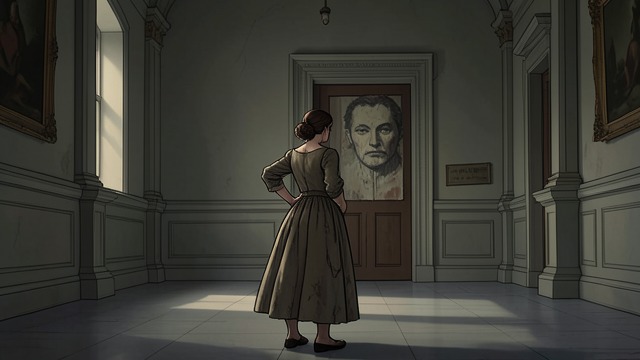
Simone de Beauvoir was born into a reactionary Catholic family that possessed old social pretensions but later lost most of its fortune. The change narrowed the marriage prospects of the daughters, while their mother’s strenuous housework made domestic dependence visible inside the family itself.
The contrast between inherited status and reduced means formed part of the young Simone’s education. Respectability remained an expectation, but the material security that might have supported it was slipping away.
An alternative taking shape
The experience did not mechanically determine her adult choices. It did, however, expose the gap between a woman’s nominal place in the family and the independence that would allow her to shape a life on her own terms.
Convent School and Lost Faith
A Vocation Reconsidered
The convent horizon
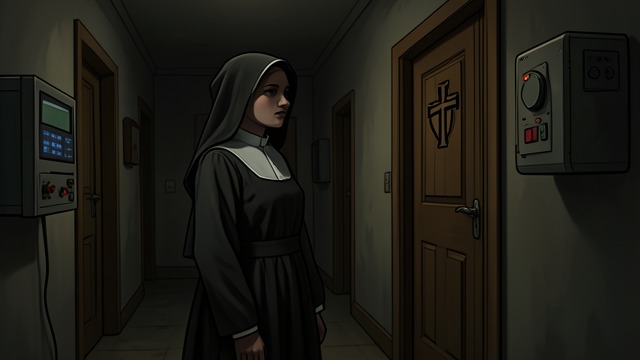
Her mother sent Simone to an elite convent school. For a time, Simone ardently imagined becoming a nun, one of the few respectable paths available to an ambitious girl in her world.
That prospect joined discipline to a promise of meaningful work beyond ordinary domestic life. It offered a ready-made vocation, but one defined within religious and social limits rather than invented by Simone herself.
A break with belief
As a teenager, she lost her faith. The break closed off the vocation she had once desired and redirected her search for purpose toward intellectual work and human relationships. Her later insistence on freedom would grow from this refusal to accept a preassigned spiritual destination.
Second Place at the Agrégation
A Professional Threshold
A shared examination
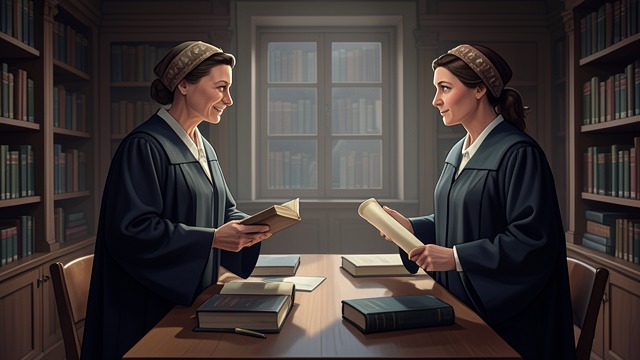
At university, Simone prepared for France’s demanding agrégation in philosophy. She met Jean-Paul Sartre while both were studying for the examination, a qualification that could provide a stable teaching career and a way to live independently of family support.
The result placed Jean-Paul Sartre first and Simone second. She was among the earliest women to pass, yet the order became part of the public story of their partnership: the male student first, the brilliant woman next.
Work as self-support
The examination opened a professional route that did not depend on marriage. Teaching gave Simone material room to pursue intellectual life, even as her achievement was measured against a male-defined hierarchy of success.
An Unequal Partnership Examined

Freedom and Its Costs
An unconventional compact
Simone and Jean-Paul Sartre rejected conventional marriage and described their bond as an essential love that could coexist with contingent relationships. Their arrangement promised candor and freedom from ownership, while placing intense demands on both partners.
The promise did not erase inequality. As Simone later reflected, their confidence in radical freedom had not made them face the weight of what their choices did to other people; nor had it made the emotional burden of sexual freedom equal for women and men.
A life under scrutiny
Their public partnership could attract more interest in Simone’s personal life than in her work. Her intellectual authority therefore developed alongside a persistent pressure to define her chiefly by her relation to Jean-Paul Sartre—a pressure she would analyze rather than simply accept.
A Book Becomes a Vocation
Turning Experience into Inquiry
From self-questioning to a book
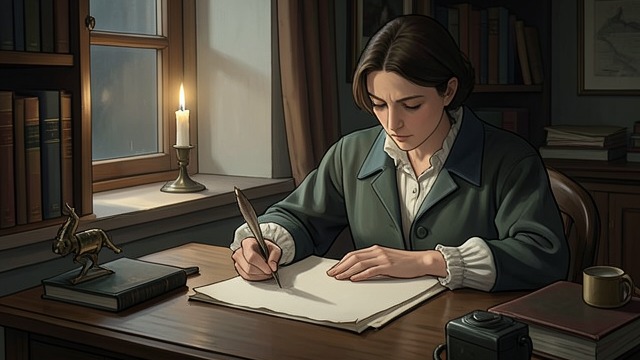
In 1946, Simone began outlining an essay that would explain why the first statement that came to mind when she tried to define herself was “I am a woman.” The personal question expanded into an investigation of how women’s lives had been organized and interpreted.
She researched and wrote at extraordinary speed while maintaining other literary and editorial commitments. Her work joined philosophical argument to historical and lived experience, refusing to treat women’s condition as a timeless destiny.
An unfinished liberation
The book did not claim that one account could settle every question about women. It made women’s freedom and concrete opportunities the central problem, directing readers toward a future in which neither sex would need false privilege or enforced subordination.
Childhood, after World War I
Adolescence
1929
From 1929 into the postwar years
1946–1949
